The Curious Mindset: Understanding How Generation Z Learns and Thrives
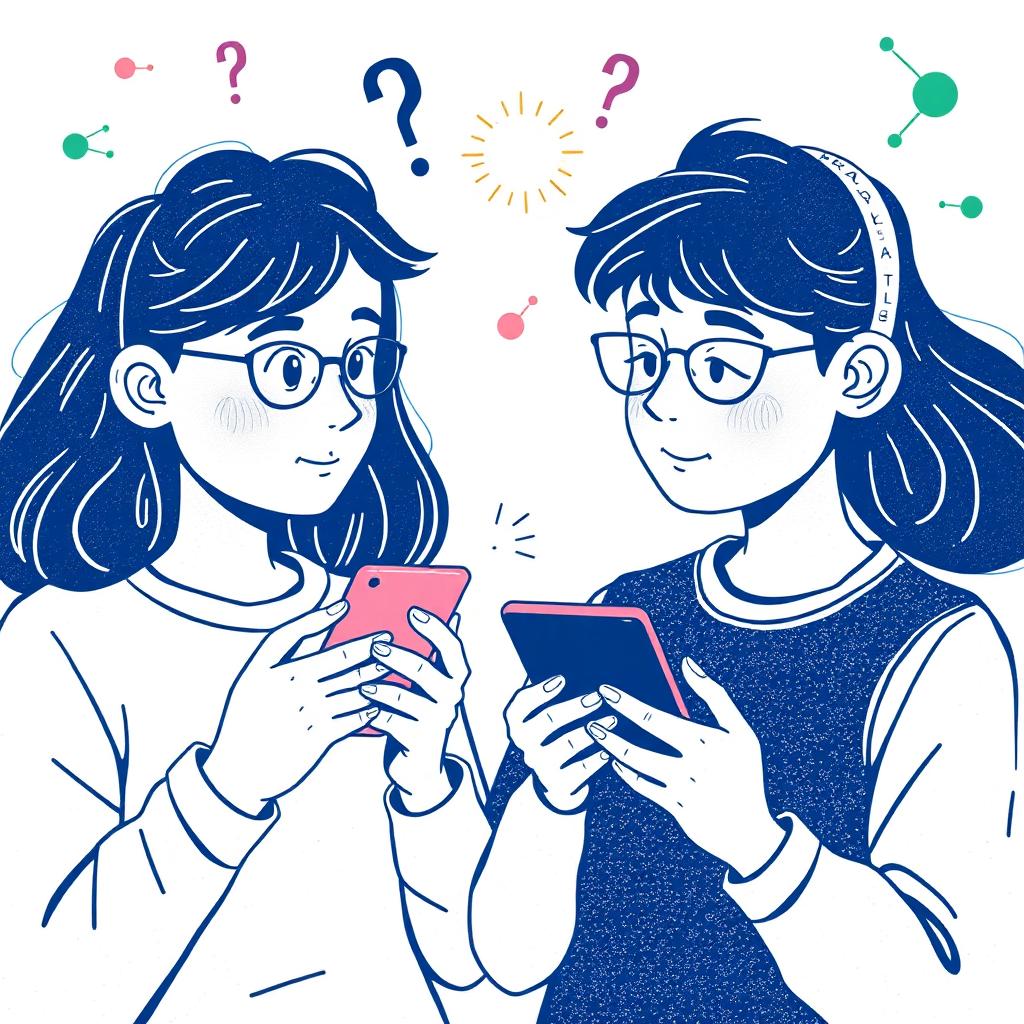
Gen Z is deeply digital, endlessly curious, and always questioning. Practical shifts educators and parents can make to meet them where they are.
A few weeks ago, while attending a music concert with my family at the national museum, we were granted the opportunity to explore the museum before the event commenced. My middle child, a bright 12-year-old, was utterly captivated by the archaeology exhibits, delving into their mysteries with passionate curiosity. As we engaged in the experience, he turned to me and asked, "Mom, why do they have to teach us about history at school? Isn't it enough that we can visit museums and conduct our own research and projects? Why must we memorize facts and dates that we'll never use or truly understand?" These questions echoed the sentiments of many kids from the Z Generation — always questioning the education system.
Who is the Z Generation and What Are Their Characteristics? The Z Generation, born between the mid-1990s and early 2010s, is characterized by their deep immersion in digital technologies, which influences their attitudes and behaviors. Highly connected and with a strong affinity for social media, Gen Z embraces a variety of digital tools and platforms to enhance their learning. They value interactive and experiential learning — virtual reality simulations, gamified platforms, and collaborative online projects — highlighting their desire for practical, engaging, and personalized experiences. Growing up in a time of economic uncertainty and rapid technological change, they also prioritize practical skills, independence, and self-expression.
Role of Educators and Parents in Facilitating Lifelong Learning. Educators must adapt their teaching methods to incorporate digital tools and technologies into the classroom, fostering critical thinking and digital literacy. Parents can create a conducive learning environment at home, encouraging exploration and curiosity while modeling a growth mindset. Collaborative efforts between educators and parents are essential to empowering Gen Z to become lifelong learners.
Effective Learning Tips for the Z Generation. Emphasize soft skills — communication, collaboration, adaptability, and problem-solving. Embrace microlearning and bite-sized content to match Gen Z's preference for concise information. Adopt a blended learning approach combining face-to-face interactions with online tools. Encourage personal learning networks so students can seek guidance from mentors, professionals, peers, and online communities. Build data literacy and critical thinking so learners can discern credible information in a vast online landscape. Cultivate global perspectives and cultural awareness through virtual exchanges and international collaborations. Introduce mindfulness and well-being practices to help students balance learning with self-care. Use gamification to boost engagement and motivation. Ensure accessible learning so resources cater to diverse needs. And teach ethical use of technology — responsible digital citizenship, online privacy, and how to prevent cyberbullying.
Conclusion: Navigating Challenges and Opportunities. Teaching the Z generation in the digital age presents both challenges and opportunities. While the vast amount of information available online requires discernment, the digital age also offers unparalleled access to experts and resources for lifelong learning and personal growth. By embracing these opportunities and adapting to Gen Z's preferences, educators and parents can foster an engaging and relevant learning experience, allowing Gen Z to shape the future of education with their innovative approaches to learning.
Keep reading
Math Beyond Memorization: The Power of Provocations
What if every math lesson began with a spark of curiosity instead of a formula? A merged reflection on what provocations are, why they matter, and the key elements that make them transformative.
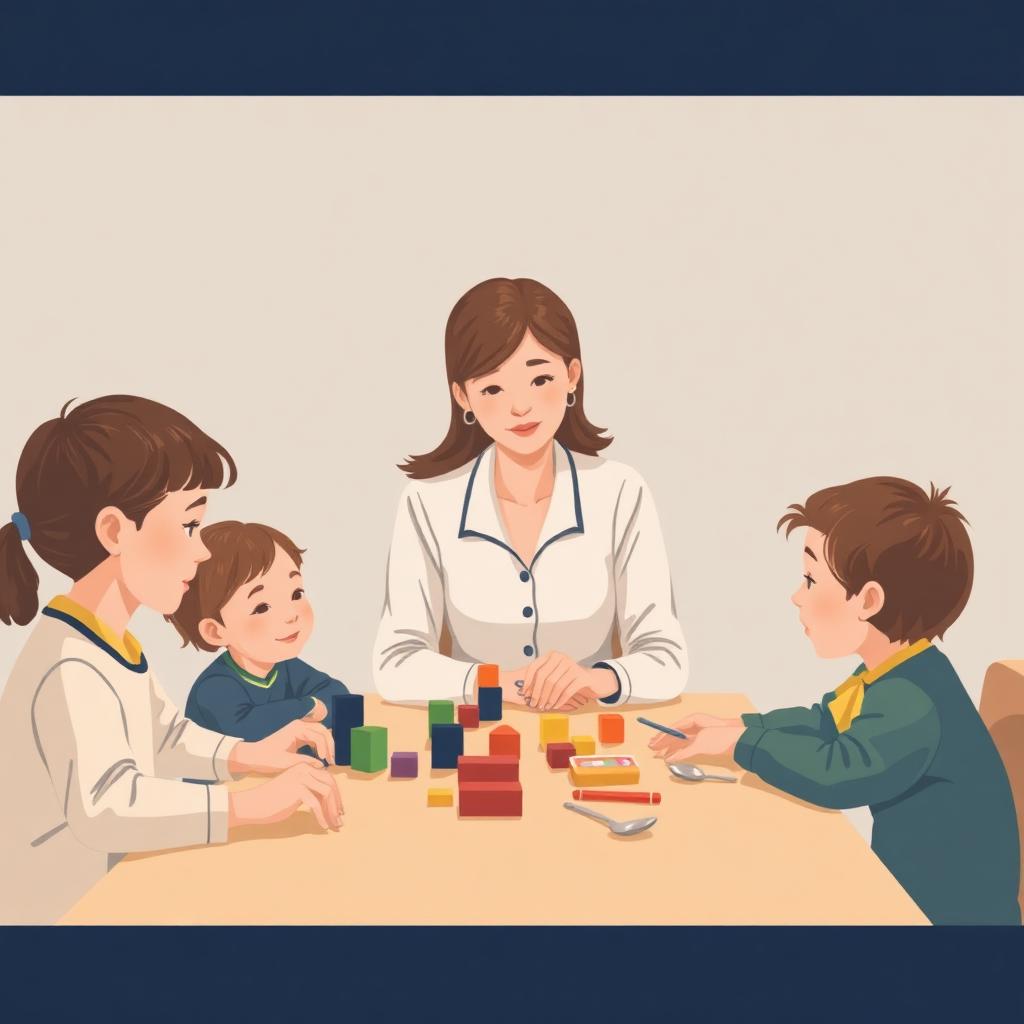
The Invisible Work That Shapes How Children Learn Math
We often talk about improving math learning by adding strategies and worksheets. But research keeps pointing us back to something deeper — what teachers know, believe, and notice.
The Power of Visual Representations: Enhancing Mathematical Comprehension for Diverse Learners
Mathematics is often perceived as abstract and complex. Visual representations bridge that gap — making concepts accessible, meaningful, and inclusive for every learner.