Cultivating Wisdom in Education: Beyond Knowledge Acquisition

Teaching for wisdom goes beyond acquiring knowledge — it's about applying that knowledge ethically, compassionately, and beneficially in the world.
Many students excel in specific subjects like math, mastering complex equations. Yet they might struggle to apply this knowledge to new situations or explain the underlying rules. Similarly, we can readily access information about electricity's role in our lives but lack the know-how to use it for reducing global warming through small daily acts or developing alternative energy sources. "Teaching for wisdom" goes beyond mere knowledge acquisition. It's the ability to apply that knowledge ethically, compassionately, and beneficially to tackle challenges and improve our world. It requires critical thinking, the courage to ask why, and the willingness to transfer knowledge to new situations and take action. Teaching for Wisdom fosters student agency, empowering learners to think critically, solve problems, and become active participants in shaping a better future.
Definition of Wisdom in Education. "Wisdom is using knowledge and understanding to make sound judgments and decisions. It is more than just knowing things; it is the ability to apply acquired knowledge in a way that is ethical, compassionate, and beneficial to us and others to improve the world. Wisdom often comes with experience and can be cultivated through reflection, social learning, the enhancement of emotional intelligence, the practice of empathy, and the development of critical thinking and ethical reasoning skills." (Henaine, 2024)
Key Characteristics of Teaching for Wisdom. This approach fosters: holistic learning that integrates academic knowledge with social-emotional skills and real-world application; critical thinking; ethical reasoning; character development (empathy, integrity, social responsibility); complex problem-solving; reflection and metacognition; cultural and global awareness; transdisciplinary learning; Socratic questioning; and a lifelong learning mindset.
The Need for Wisdom in Today's World. In the face of the Technological Revolution, mere accumulation of knowledge is no longer sufficient. Teaching for Wisdom equips students to apply knowledge ethically and purposefully, preparing them for the complexities of the world. It also nurtures the skills highlighted in the World Economic Forum's Future of Jobs 2023 Report — critical thinking, problem-solving, and emotional intelligence — ensuring students are adaptable in a rapidly changing job market. And it aligns with Education Taxonomy 4.0, emphasizing holistic development to prepare students to thrive in a complex, interconnected world.
Bringing Wisdom to Life in the Classroom. Teaching for wisdom encourages students to move beyond memorization and become responsible, compassionate, lifelong learners. Consider a student learning about physics and rocket propulsion. A student with strong academic understanding might calculate the force needed to launch a model rocket. A wise student would also ask: "Could this rocket be used to harm others?" or "What environmental impact might the fuel have?" Educators can use Socratic questioning to prompt students with open-ended inquiries — guiding them to consider the ethical and environmental consequences of their learning.
Conclusion. Prioritizing wisdom in education empowers the next generation to think critically, act ethically, and contribute meaningfully to a better future. Let's embrace Teaching for Wisdom and cultivate a generation of well-rounded individuals who not only possess knowledge but also the wisdom to apply it effectively for the betterment of themselves and the world around them.
Resource: Henaine, S. (2024). Teaching for Wisdom in a Changing Educational Landscape: A Learning Ecosystem Approach. In F. Al Husseiny & A. Munna (Eds.), Preparing Students for the Future Educational Paradigm (pp. 196–231). IGI Global.
Keep reading

Math Beyond Memorization: The Power of Provocations
What if every math lesson began with a spark of curiosity instead of a formula? A merged reflection on what provocations are, why they matter, and the key elements that make them transformative.
The Invisible Work That Shapes How Children Learn Math
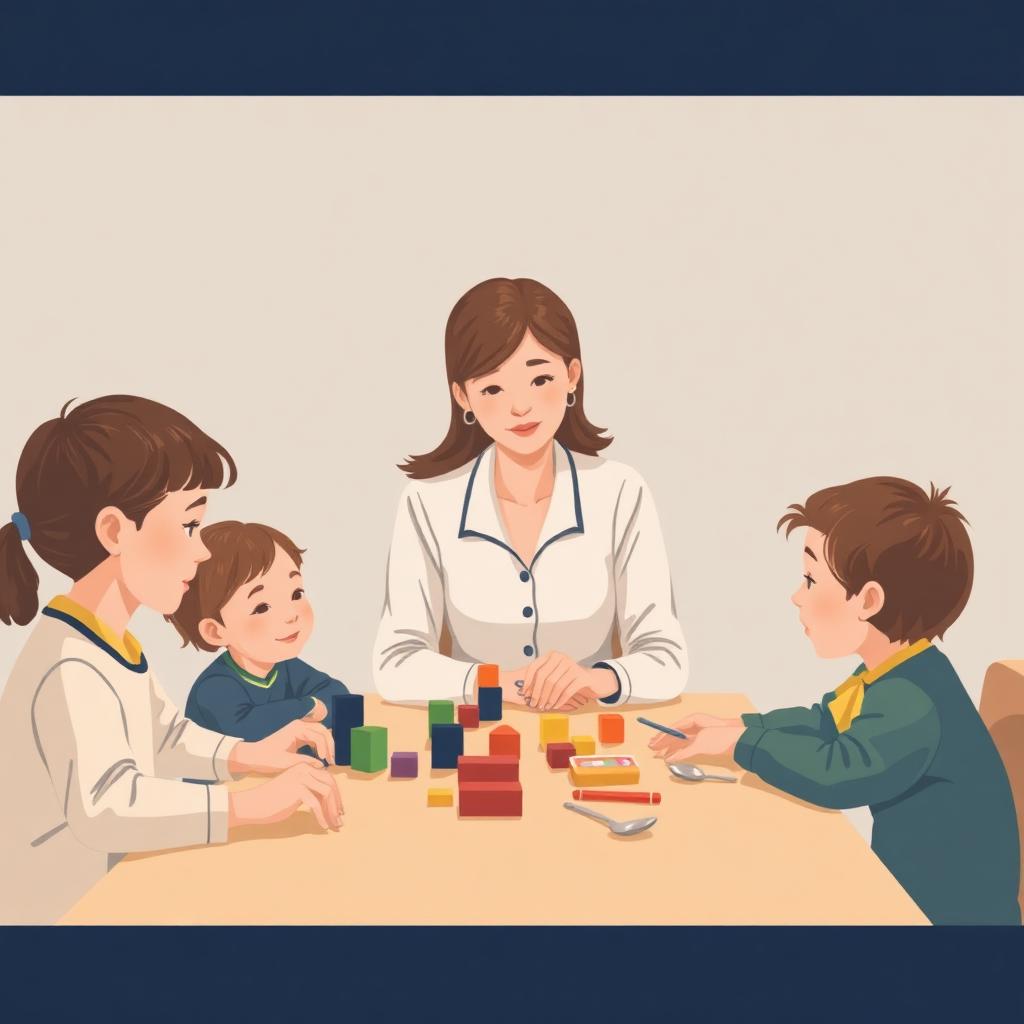
We often talk about improving math learning by adding strategies and worksheets. But research keeps pointing us back to something deeper — what teachers know, believe, and notice.
The Power of Visual Representations: Enhancing Mathematical Comprehension for Diverse Learners
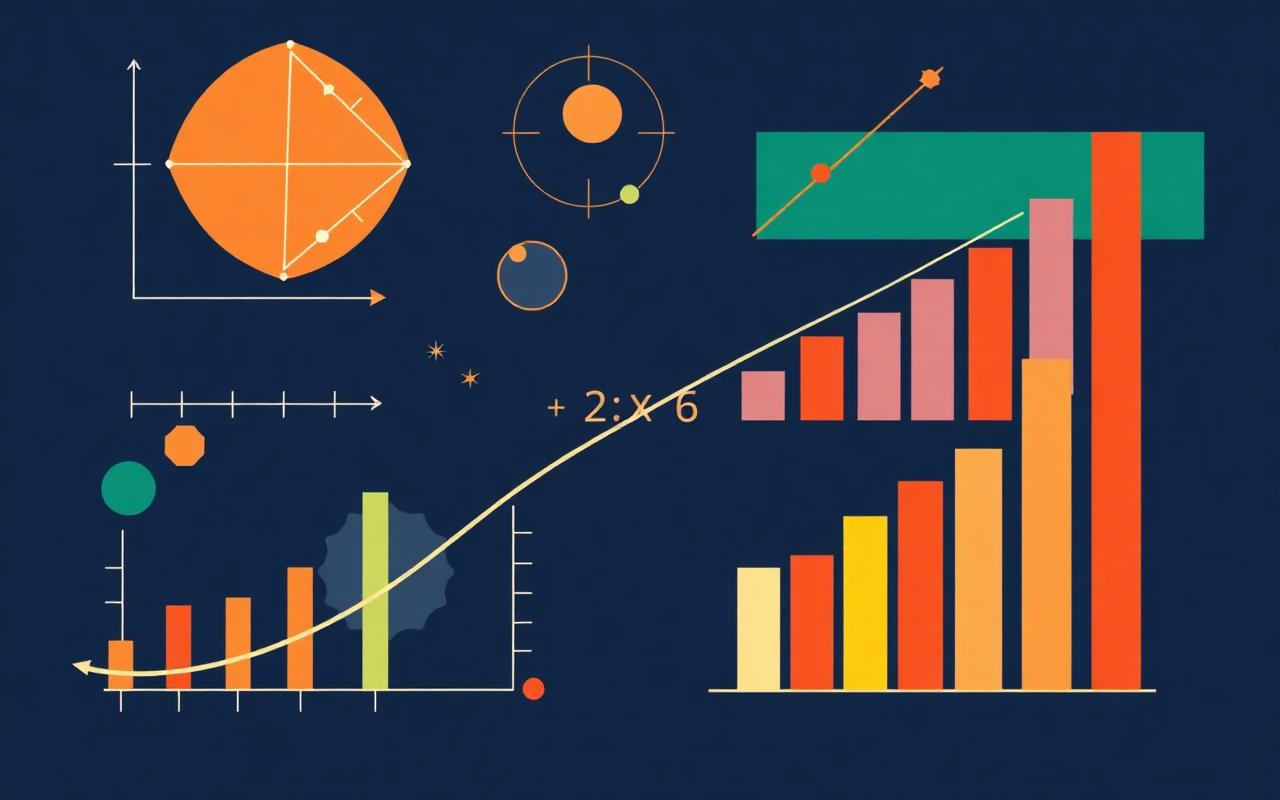
Mathematics is often perceived as abstract and complex. Visual representations bridge that gap — making concepts accessible, meaningful, and inclusive for every learner.